AI Driving Safety Technology: Innovations That Prevent Crashes

AI Driving Safety Technology: How Smart Systems Save Lives
Road crashes remain one of the leading causes of injury and death worldwide, making AI Driving Safety Technology a crucial innovation. According to the National Highway Traffic Safety Administration (NHTSA), distracted driving claimed over 3,000 lives in the United States in a single recent year. Globally, the World Health Organization (WHO) reports that road traffic injuries cause approximately 1.19 million deaths annually.
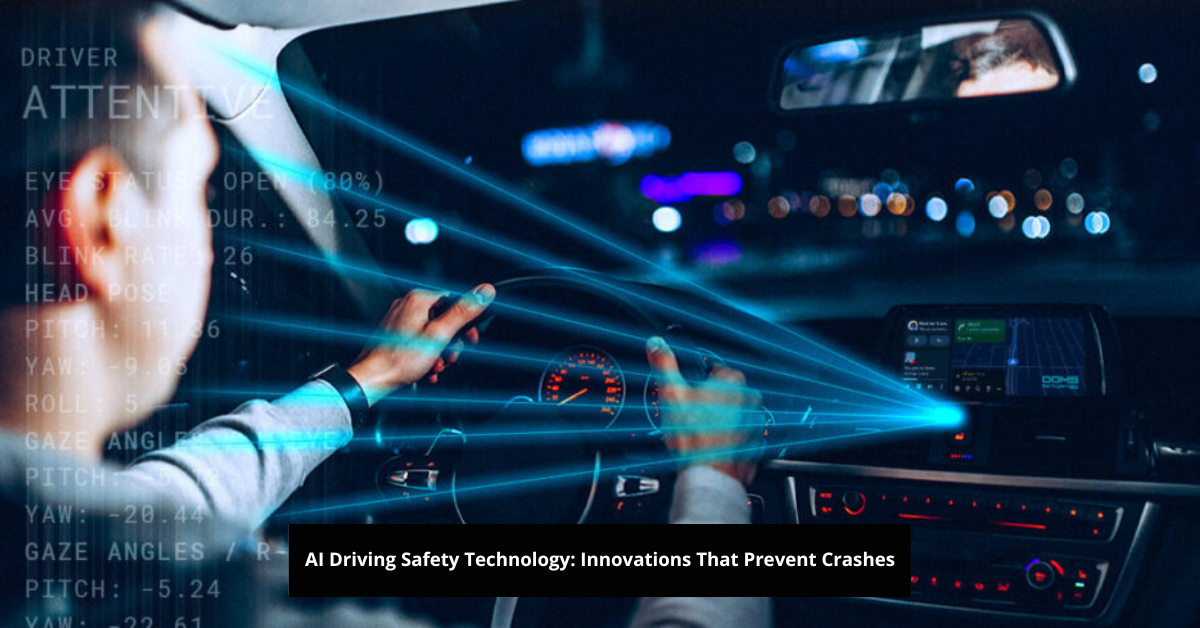
AI Driving Safety Technology uses advanced sensors, cameras, and machine learning to detect risky driving behaviors such as texting, drowsiness, and lane deviation, providing real-time alerts to prevent accidents. By combining intelligent monitoring with actionable warnings, these systems help drivers make safer decisions and reduce preventable crashes.
What Is AI Driving Safety Technology?
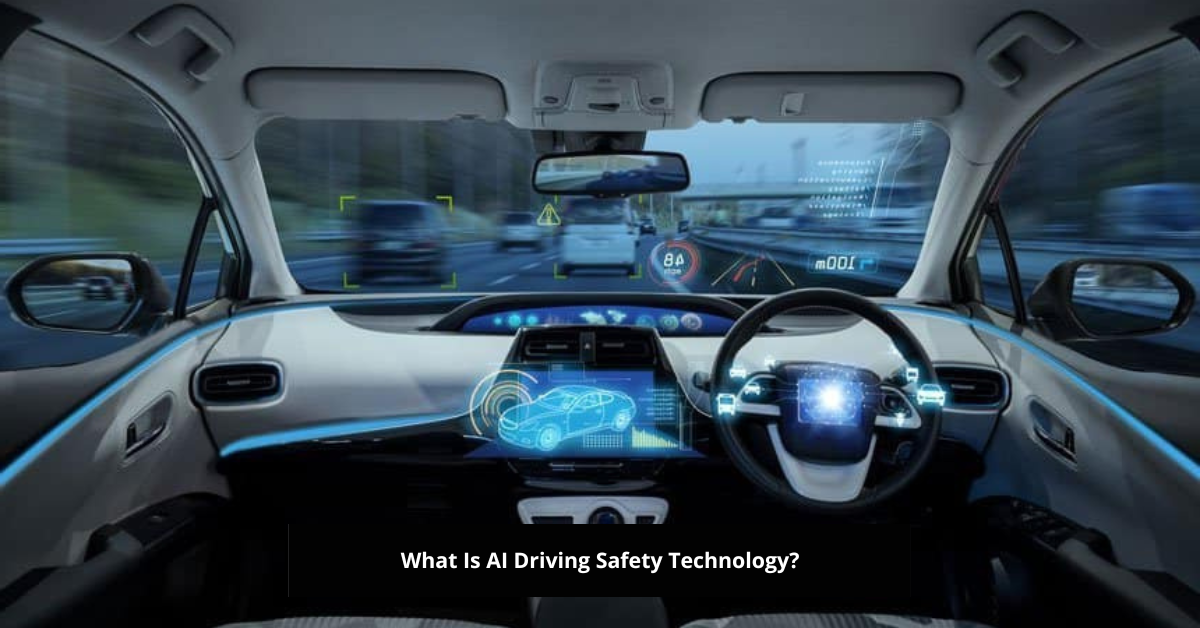
AI Driving Safety Technology refers to systems that integrate artificial intelligence, machine learning, and sensor-based monitoring to improve road safety. Unlike traditional safety features, these technologies actively analyze driver behavior and road conditions to prevent accidents before they happen.
Key functions include:
- Detecting texting and phone use while driving
- Identifying drowsiness or fatigue
- Monitoring lane positioning and steering patterns
- Tracking sudden braking or acceleration
- Providing real-time alerts through dashboard, audio, or vibrations
Why AI Driving Safety Technology Matters
Distracted driving is a global safety crisis. The Centers for Disease Control and Prevention (CDC) notes that visual, manual, and cognitive distractions together contribute to a majority of road accidents. Texting while driving combines all three, creating a deadly risk.
AI Driving Safety Technology matters because:
- Human reaction time is limited and often delayed
- Drivers often underestimate distractions or fatigue
- Traditional enforcement cannot monitor every vehicle
- AI systems provide consistent, 24/7 monitorin
How AI Driving Safety Technology Works
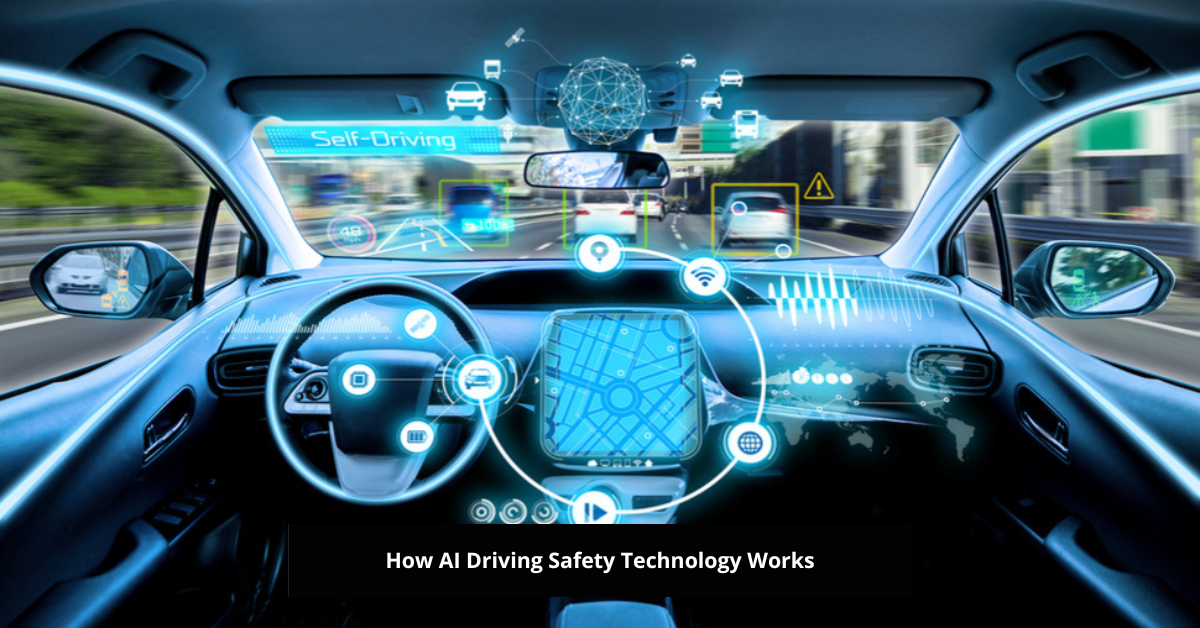
AI Driving Safety Technology combines hardware, software, and real-time analytics to monitor and prevent accidents.
1. Interior Cameras
- Track eye movement and head position
- Detect phone usage or distraction
- Trigger alerts if unsafe behavior is detected
2. Machine Learning Algorithms
- Learn driver behavior over time
- Differentiate between safe activities (navigation checks) and risky ones (texting)
- Reduce false alerts for a better user experience
3. Sensor Fusion
- Integrates radar, GPS, steering, and braking data
- Analyzes patterns of risky driving
- Automatically warns drivers or adjusts vehicle settings
4. Real-Time Alerts
- Audible warnings
- Steering wheel vibrations
- Dashboard notifications
- In advanced systems, automatic speed reduction
Real-World Applications of AI Driving Safety Technology
Commercial Fleets
- Logistics companies use AI to monitor driver fatigue, phone use, and speed
- Reports show significant reductions in accidents after AI monitoring adoption
Smart Vehicles
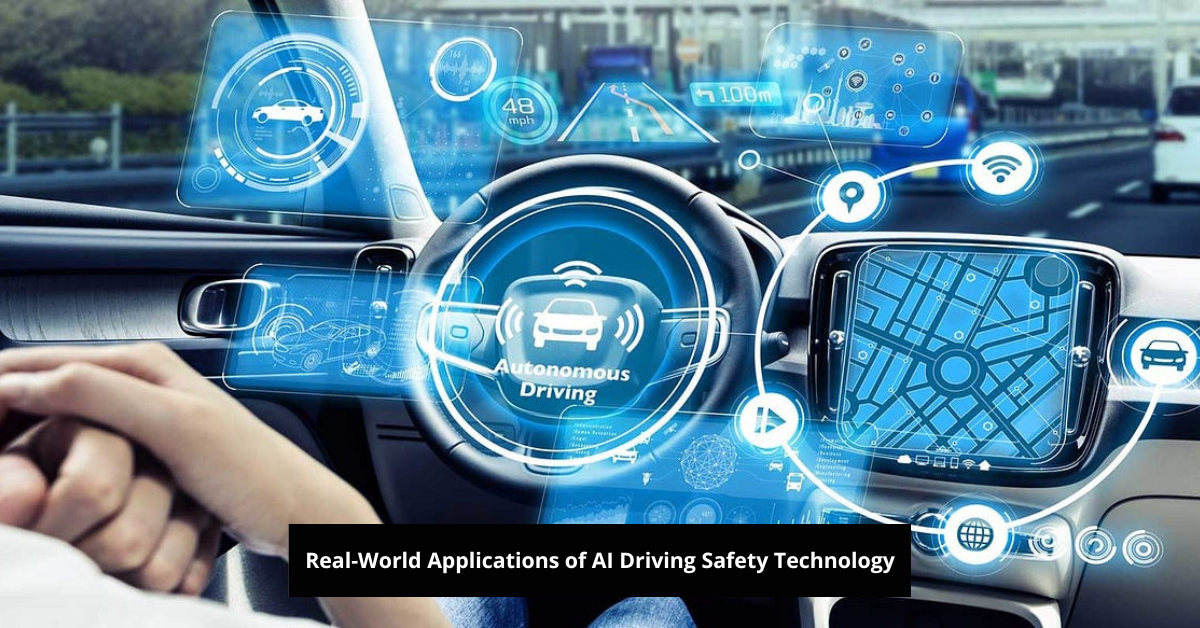
- Modern cars integrate driver monitoring systems that:
- Detect drowsiness
- Prevent lane departure
- Support adaptive cruise control
Teen Driver Programs
- Insurance companies offer discounts for safe driving monitored by AI
- Helps parents track and improve teen driving habits
Risks of Ignoring AI Driving Safety Technology
Without AI monitoring:
- Fatigue often goes unnoticed
- Micro-distractions accumulate
- Reaction times slow
- Accident risk increases significantly
Studies by the Insurance Institute for Highway Safety (IIHS) show that vehicles equipped with driver assistance systems experience fewer collisions. Ignoring these advancements leaves drivers vulnerable to preventable crashes.
Practical Tips for Drivers
- Choose Vehicles with AI Monitoring
- Look for driver attention warnings, lane-keeping assistance, and collision alerts
- Use AI-Based Driving Apps
- Monitor phone usage, acceleration, and distraction patterns
- Keep Built-In Safety Alerts Enabled
- Factory-installed alerts are designed to protect lives
- Educate Young Drivers
- Explain how AI alerts work and why they must not be ignored
- Stay Responsible
- AI is a support tool, not a replacement for attentive driving
Privacy Considerations
Many drivers hesitate due to privacy concerns. Here’s what to know:
- Most AI monitoring analyzes data live and doesn’t store video
- Fleet programs follow compliance regulations
- Review manufacturer privacy policies before activation
AI Driving Safety Technology balances safety with responsible data usage.
The Future of AI Driving Safety Technology
Expect advancements like:
- Emotion detection to assess driver mood
- Predictive risk scoring
- Biometric fatigue monitoring
- Automated emergency interventions
As vehicle automation progresses, AI monitoring will become a standard safety feature globally, reducing preventable deaths and injuries.
Who Benefits Most?
- Daily commuters: Reduces fatigue-related mistakes
- Parents: Peace of mind for teen drivers
- Fleet managers: Lower insurance and liability costs
- Long-distance drivers: Prevents drowsiness-related accidents
This technology is for everyone, not just commercial users.
Conclusion
AI Driving Safety Technology is not science fiction. It is a practical, life-saving advancement protecting drivers worldwide. Artificial intelligence cannot replace human judgment but strengthens it, acting as a second set of eyes when fatigue or distraction strikes. Every avoided distraction could save a life, and every alert matters.
Road safety is a shared responsibility. Embrace innovation, stay attentive, and drive with intention. The smartest technology cannot protect a driver who ignores safety—but together, awareness and AI can make our roads significantly safer.
FAQS
AI monitoring improves driving safety by detecting distractions, fatigue, and risky behaviors in real time, alerting drivers before accidents occur.
In some regions, certain advanced driver monitoring systems are becoming required in new vehicles, but regulations vary globally.
Most systems analyze behavior live and do not permanently store footage unless part of a fleet monitoring program.
No technology can eliminate all crashes, but AI monitoring innovation in driving safety significantly reduces high-risk behaviors.
No. Aftermarket devices and mobile applications also provide AI-based driver safety monitoring.