Top Public Campaigns Against Texting While Driving USA

Introduction
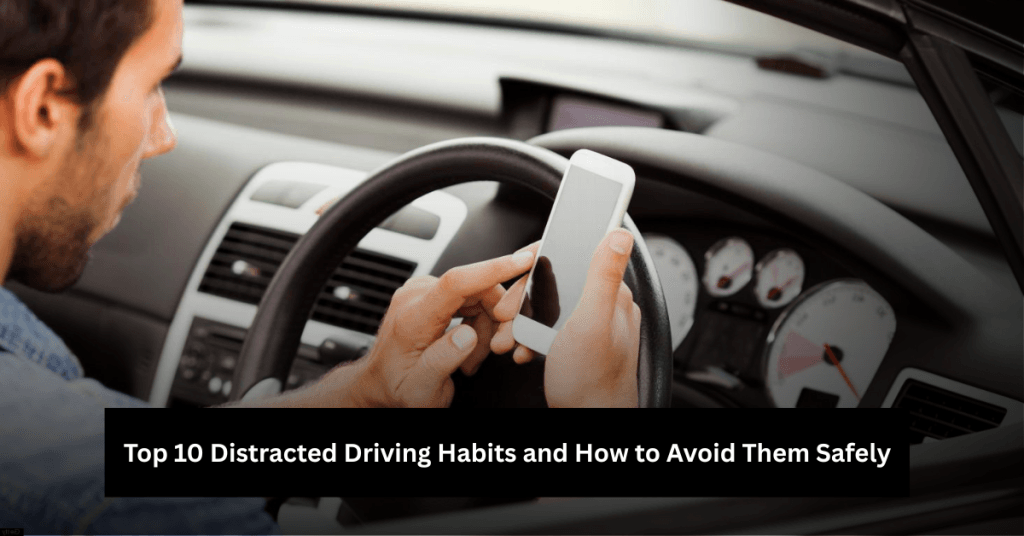
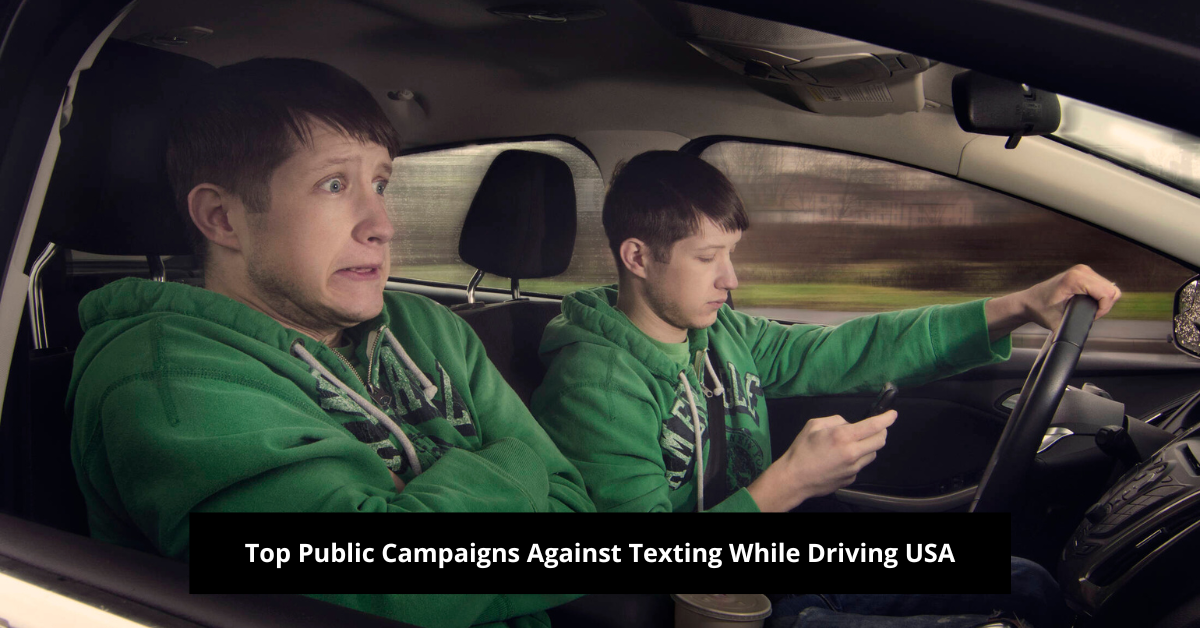
Texting while driving is one of the deadliest forms of distracted driving in the USA. In this article, we explore the top public campaigns in the USA against texting while driving, highlighting their impact on teen driver safety and road safety tips backed by the latest driving statistics in the USA.
From engaging teens to educating parents and drivers, public campaigns across the USA are tackling this issue head-on. In this article, we’ll explore the top campaigns, share road safety tips, and provide actionable strategies for teen driver safety while referencing the most recent driving statistics in the USA.
Why Top Public Campaigns in the USA Against Texting While Driving Matter
Government and community campaigns teach drivers about the dangers of texting while driving.
These campaigns aim to:
- Increase awareness of distracted driving dangers
- Promote teen driver safety
- Encourage adoption of safe driving habits
- Reinforce traffic law compliance
These campaigns often include educational materials, interactive pledges, and community outreach programs to influence behavior and reduce accidents.

Leading Public Campaigns in the USA
1. It Can Wait – AT&T
Overview:
AT&T’s “It Can Wait” campaign is one of the largest nationwide initiatives to combat texting while driving. Its focus is on behavior change, especially among young drivers.
Key Features:
- Interactive social media challenges engaging teens and adults
- Real-life stories highlighting the dangers of distracted driving
- School partnerships promoting teen driver safety
Impact:
The campaign has successfully enrolled millions of drivers to pledge not to text while driving. It focuses on teens and young adults. Additionally, it partners with schools to promote teen driver safety.
2. Drive Smart Campaign NHTSA
Overview:
NHTSA’s “Drive Smart” campaign provides resources, public service announcements, and data-driven guidance on distracted driving.
Key Features:
- Infographics and videos explaining consequences of texting while driving
- Emphasis on road safety tips for all drivers
- Annual updates with driving statistics USA for informed decision-making
Impact:
The campaign strengthens public understanding of texting-related risks and complements enforcement of traffic laws nationwide.
3. U Drive. U Text. U Pay.
Overview:
A collaboration between law enforcement and public safety organizations, this campaign focuses on enforcing texting-while-driving laws while educating drivers.
Key Features:
- Highly visible enforcement initiatives
- Community events demonstrating the consequences of distracted driving
- Media coverage to highlight driving statistics USA
Impact:
This dual approach of education + enforcement has reduced texting-related accidents in multiple states.
4. Stop the Texts. Stop the Wrecks National Safety Council
Overview:
Aimed primarily at teen drivers, this campaign addresses the unique risks faced by young and inexperienced drivers.
Key Features:
- Interactive school programs teaching defensive driving
- Pledge campaigns and quizzes for students
- Statistics-driven lessons on distracted driving
Impact:
As a result, teen participation in these programs has improved awareness, leading to safer driving habits. Furthermore, many states implement local initiatives to reinforce national campaigns.
5. State-Level Initiatives
Many states implement local initiatives to reinforce national campaigns. Some examples include:
- California: “One Text or Call Could Wreck It All”
- Texas: “Talk, Text, Crash”
- Florida: “Just Drive”
These campaigns integrate road safety tips, enforcement, and media campaigns to target high-risk groups effectively.
Table: Teen Driver Texting Accident Statistics (USA)
| Year | Number of Teen Crashes | % Involving Texting | Source |
|---|---|---|---|
| 2020 | 120,000 | 15% | NHTSA |
| 2021 | 125,000 | 17% | CDC |
| 2022 | 130,500 | 18% | IIHS |
Why These Campaigns Matter
Distracted driving is preventable, yet it remains a leading cause of fatal accidents. Teens, in particular, are more prone to texting while driving, with IIHS data indicating drivers aged 16–19 are three times more likely to crash due to phone distractions.
Public campaigns:
- Encourage culture change for responsible driving
- Reinforce road safety tips
- Educate parents and teens
- Highlight legal consequences for texting while driving
Practical Road Safety Tips
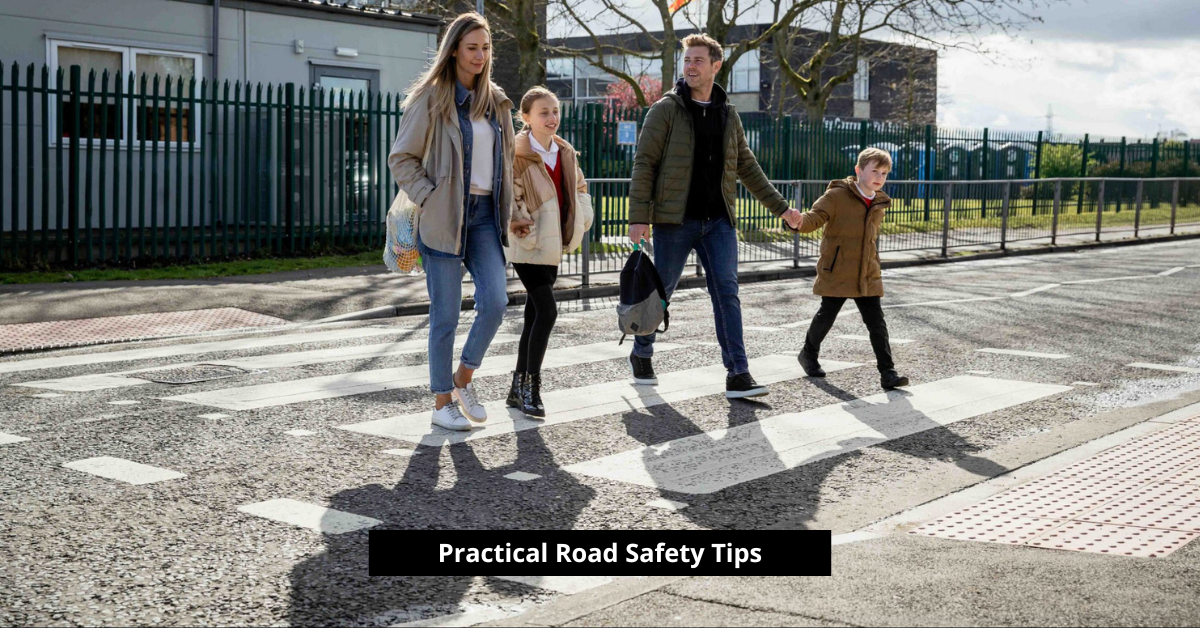
- Silence phone notifications while driving using Do Not Disturb.
- Set GPS, playlists, and routes before starting the journey.
- Regularly talk to teens about the importance of driver safety.
- Parents should model responsible driving behavior.
- Use safe-driving apps or vehicle automation to minimize distractions.
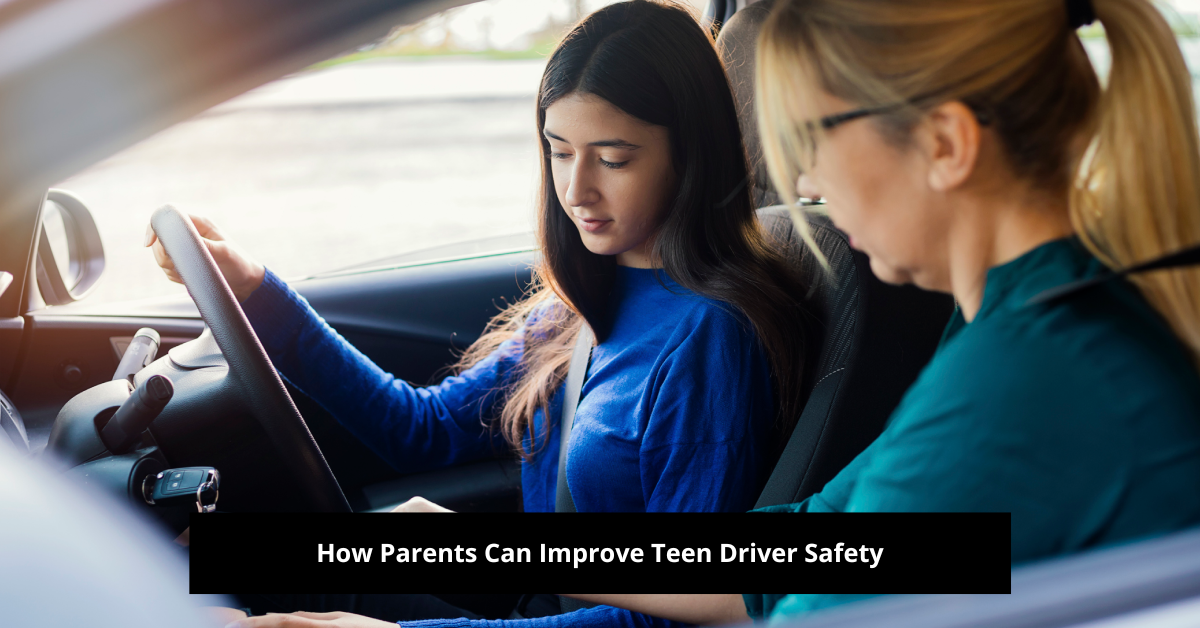
How Parents Can Improve Teen Driver Safety
- Establish clear rules no texting or calling while driving.
- Monitor driving using apps or regular check-ins.
- Reward safe driving behavior with positive reinforcement.
- Enroll teens in defensive driving courses to reduce crash risks.
Conclusion
By following the top public campaigns in the USA against texting while driving, teens and adults can adopt safer driving habits today.Public campaigns against texting while driving save lives by educating drivers, enforcing laws, and promoting safe habits. Teens, parents, and all drivers share responsibility to adopt road safety tips and reduce distracted driving. Pledge to put your phone down, focus on the road, and protect yourself and others. Together, we can make US roads safer.
FAQS
Yes, teens are more likely to engage in texting while driving due to inexperience and peer pressure. According to IIHS, drivers aged 16–19 are three times more likely to crash because of phone distractions. Parents and schools can play a key role in improving teen driver safety.
Texting while driving means sending, reading, or replying to messages on any device while driving. It is a major cause of distracted driving in the USA and can lead to accidents, injuries, or fatalities. For more guidance, check our teen driver safety tips.
Texting while driving can result in fines, license points, or even criminal charges in severe cases. Laws vary by state, and many public campaigns emphasize both education and legal compliance to prevent accidents.
Yes, campaigns like It Can Wait, Drive Smart, and Stop the Texts, Stop the Wrecks have successfully increased awareness and changed driver behavior. Studies show that combining education with enforcement reduces accidents and promotes safer roads.
Absolutely. Safe-driving apps, blocking software, and vehicle automation can limit phone distractions. These tools complement public campaigns and help drivers, especially teens, stay focused on the road. Learn more in our defensive driving guide.