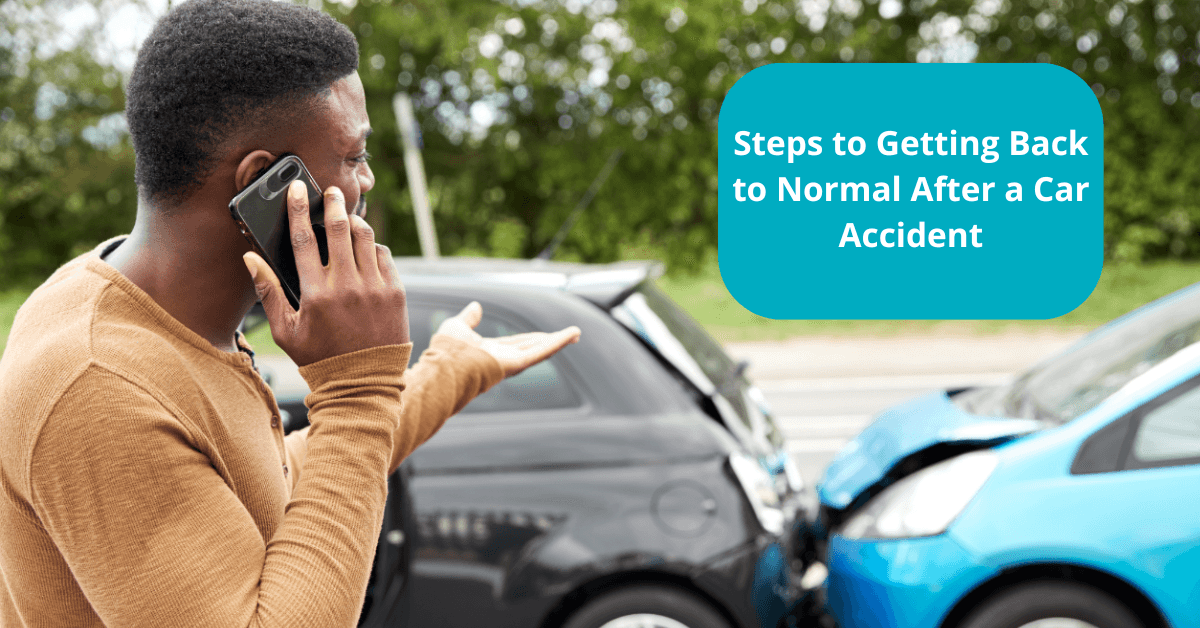
Steps to Getting Back to Normal After a Car Accident

Steps to Getting Back to Normal After a Car Accident
A car accident can change your life in seconds. Every year, thousands of families across the United States struggle to recover physically, emotionally, and financially after crashes often linked to texting while driving, distracted driving, and preventable road safety mistakes. According to the National Highway Traffic Safety Administration (NHhttps://www.nhtsa.gov/TSA), more than 42,000 people were killed in motor vehicle crashes in 2022. Millions more suffered injuries that required medical attention.
Getting back to normal after a car accident is not just about fixing your vehicle. It involves medical care, insurance coordination, legal awareness, emotional healing, and adopting smarter road safety habits. This guide walks you through each step while highlighting critical driving statistics USA drivers should understand.
Step 1: Prioritize Immediate Medical Care
Your health comes first.
Even if you feel fine, adrenaline can mask injuries. Conditions like whiplash, concussions, or internal injuries may not show symptoms immediately.
What to do:
- Seek medical evaluation within 24 hours
- Follow all prescribed treatments
- Keep copies of medical records
- Document symptoms daily
The Centers for Disease Control and Prevention (CDC) reports that motor vehicle crashes are a leading cause of injury-related emergency visits in the U.S. Early diagnosis improves recovery outcomes.
Step 2: Report and Document the Accident
Proper documentation protects you legally and financially.
- Obtain a police report
- Take photos of vehicles and injuries
- Collect witness information
- Notify your insurance company promptly
Accurate documentation becomes critical if distracted driving or texting while driving contributed to the crash.
Step 3: Understand the Insurance Process
Insurance claims can feel overwhelming.
Contact your provider and clearly understand:
- Coverage limits
- Deductibles
- Rental car options
- Repair timelines
If liability is disputed, consider consulting a personal injury attorney. Many offer free consultations.
What Is Texting While Driving?
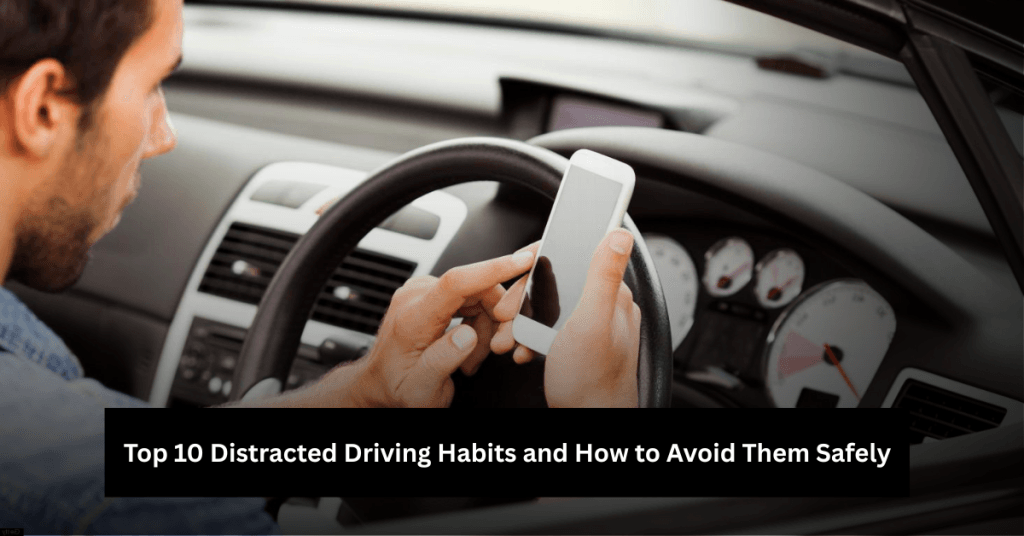
Texting while driving is the act of composing, sending, or reading text messages while operating a vehicle. It is considered one of the most dangerous forms of distracted driving because it involves:
- Visual distraction (eyes off the road)
- Manual distraction (hands off the wheel)
- Cognitive distraction (mind off driving)
At 55 mph, looking at your phone for five seconds is like driving the length of a football field blindfolded, according to NHTSA.
Latest Driving Statistics in the USA
Understanding driving statistics USA residents often overlook can prevent future accidents.
| Statistic | Data (Most Recent Available) | Source |
|---|---|---|
| Total traffic fatalities (2022) | 42,795 | NHTSA |
| Deaths involving distracted driving (2022) | 3,308 | NHTSA |
| Teen crash fatality rate | Higher per mile driven than adults | IIHS |
| Economic cost of crashes annually | $340+ billion | NHTSA |
The Insurance Institute for Highway Safety (IIHS) confirms that teens have crash rates nearly three times higher than drivers aged 20 and older.
These numbers highlight why recovery must include prevention.
Why Distracted Driving Is Dangerous
Distracted driving reduces reaction time and situational awareness.
Common distractions include:
- Texting while driving
- Phone calls
- GPS adjustments
- Eating or drinking
- Talking to passengers
According to NHTSA, distracted driving claimed 3,308 lives in 2022 alone.
After experiencing a crash, many survivors become more aware of how quickly distraction leads to tragedy.
Teen Driver Safety Risks
Teen driver safety is a growing national concern.
Young drivers are more likely to:
- Engage in texting while driving
- Speed
- Underestimate hazards
- Be influenced by peer passengers
The CDC states that motor vehicle crashes are a leading cause of death for U.S. teens.
Parents play a crucial role in setting expectations and modeling responsible behavior.
Legal Consequences in the USA
Most states have laws banning texting while driving. Many enforce primary seat belt laws and graduated driver licensing (GDL) programs for teens.
Legal consequences may include:
- Fines
- Points on license
- Increased insurance premiums
- License suspension
- Civil liability lawsuits
If distracted driving caused your accident, you may have legal grounds for compensation.
Step 4: Focus on Emotional Recovery
Physical injuries heal faster than emotional trauma.
Post-accident anxiety, sleep issues, and driving fear are common.
Consider:
- Therapy or counseling
- Support groups
- Gradual exposure to driving again
- Stress management techniques
Mental health recovery is part of getting back to normal.
Step 5: Repair or Replace Your Vehicle
Work with certified repair shops approved by your insurer.
Ensure:
- Safety systems are restored
- Airbags are properly replaced
- Frame damage is addressed
Never rush vehicle repairs. Your safety depends on it.
Practical Road Safety Tips to Prevent Distracted Driving
Recovery also means prevention.
Here are proven road safety tips:
- Put your phone on “Do Not Disturb While Driving” mode
- Keep both hands on the wheel
- Avoid multitasking
- Plan routes before starting the engine
- Take breaks on long trips
- Follow speed limits
Small behavior changes significantly reduce crash risk.
How Parents Can Improve Teen Driver Safety
Parents influence teen driver behavior more than they realize.
Best practices:
- Set a no-phone rule while driving
- Use parent-teen driving agreements
- Limit nighttime driving
- Restrict teen passengers
- Lead by example
Graduated driver licensing programs have reduced teen crash deaths by up to 50% in some states, according to IIHS.
Step 6: Monitor Financial Recovery
Track:
- Medical expenses
- Vehicle repairs
- Lost wages
- Insurance reimbursements
Keep organized records. Financial clarity reduces stress during recovery.
Conclusion: Rebuilding Stronger and Driving Smarter
Getting back to normal after a car accident is a journey. It involves healing your body, protecting your finances, addressing emotional trauma, and learning from the experience.
The driving statistics USA reports each year are not just numbers. They represent real lives affected by distracted driving and preventable mistakes. By committing to better habits, practicing proven road safety tips, and prioritizing teen driver safety, you help protect not only yourself but everyone sharing the road.
Recovery is possible. Prevention is powerful. Drive responsibly every trip matters.