

5 Proven Techniques to Stay Focused and Avoid Distractions While Driving

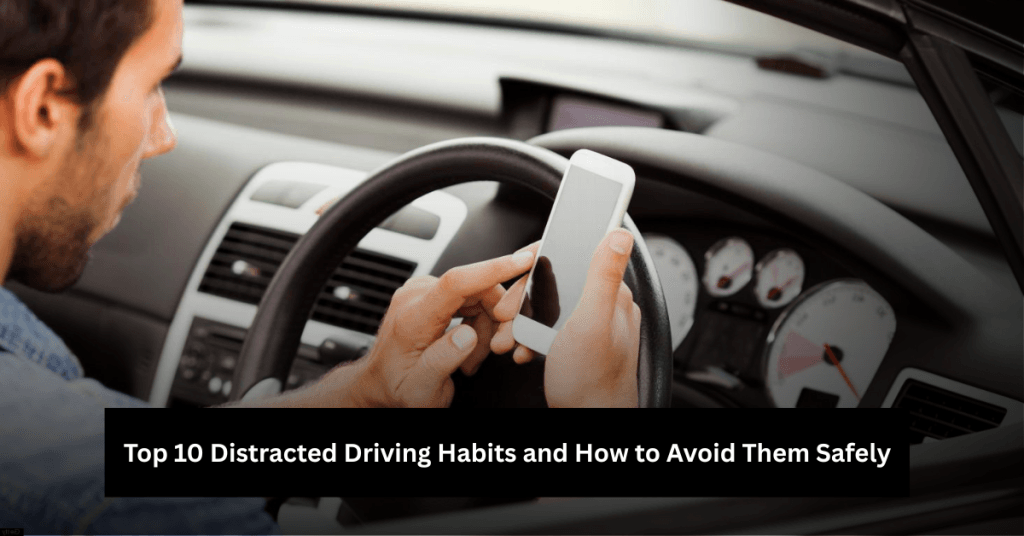
Distracted driving especially texting while driving continues to be one of the most hazardous behaviors on roads in the United States. Despite continuous awareness efforts, thousands of people lose their lives or suffer life-altering injuries each year because drivers divert their eyes, hands, or attention away from the road at crucial moments. Understanding the severe dangers of these distractions and learning how to prevent them is vital for creating safer roads, particularly for teenagers and inexperienced drivers.
In this blog, we’ll review the most recent driving statistics from the U.S., highlight real-life examples, and most importantly, present five effective strategies you can apply right away to stay attentive and greatly reduce your risk of being involved in an accident
Introduction
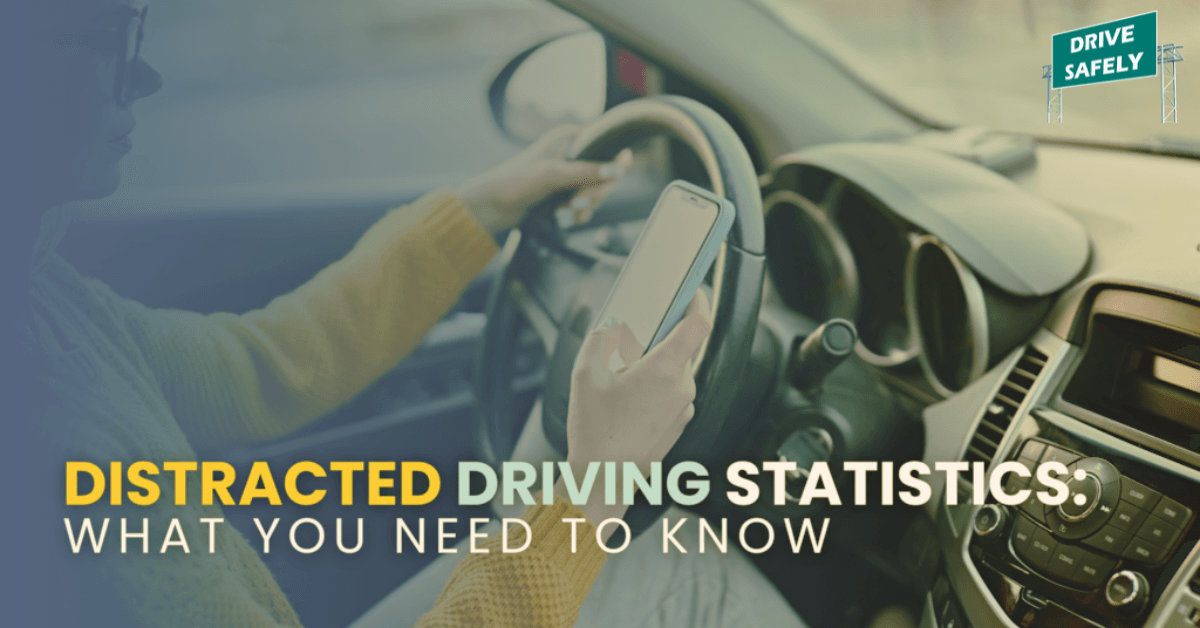
Even a brief glance at your phone while driving can lead to tragic outcomes. According to the National Highway Traffic Safety Administration, 3,275 people were killed in 2023 as a result of distracted driving. Texting is particularly risky because it takes a driver’s eyes off the road, hands off the steering wheel, and attention away from driving all at once.
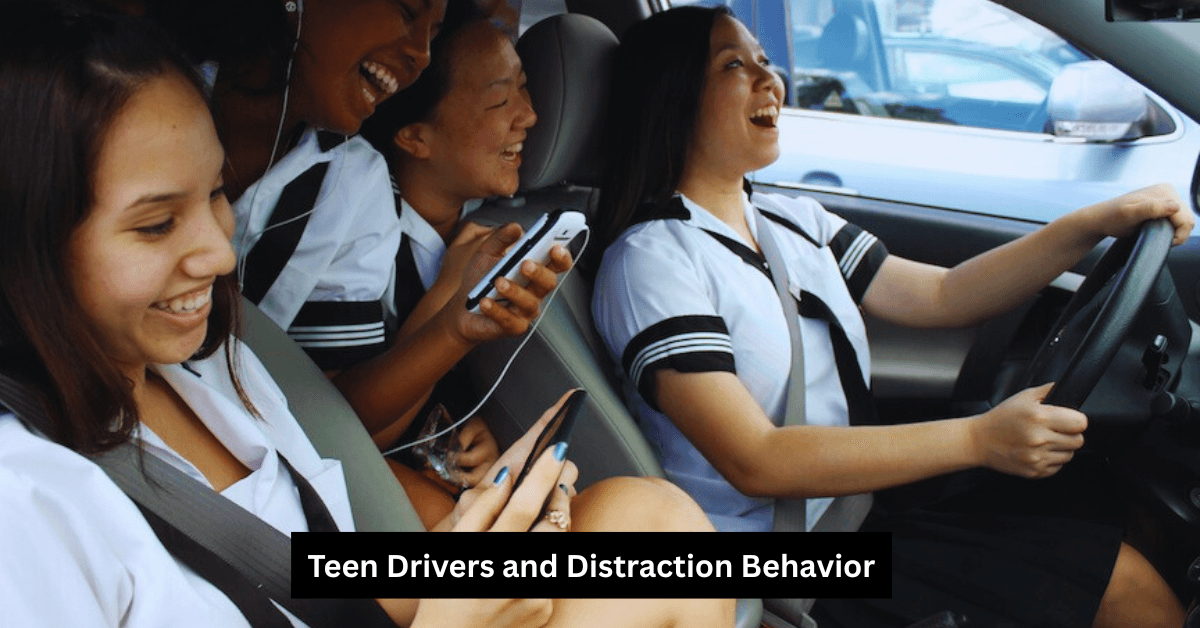
Teenagers and new drivers are especially at risk. Studies consistently show that many young drivers use their cellphones while driving, including texting and engaging in other distracting behaviors.
These findings make one thing clear: drivers must actively adopt practical strategies to stay attentive and minimize the risk of preventable crashes.
Data & Statistics on Distracted Driving (USA)
1. Fatalities & Serious Injuries
- According to the National Highway Traffic Safety Administration (NHTSA), distracted driving caused 3,275 deaths in 2023.
- Every year, thousands more people are injured in crashes related to driver distraction.
- Sending or reading a text message takes your eyes off the road for about 5 seconds.
- At highway speed, those 5 seconds are enough to travel the entire length of a football field without looking — which can have life-changing consequences.
2. Teen Driver Risk
- Roughly 39% of high school students admit to texting or emailing while driving.
- Teen crashes involve distracted driving as a factor in about 58% of cases.
- Drivers between the ages of 18 and 24 are particularly vulnerable to distractions while driving.
- This age group is also more likely to be involved in and die from crashes where distraction is a factor.
3. Common Distractions Beyond Texting
- Texting and other handheld device use are frequent, but distractions also include adjusting music, eating, drinking, and interacting with passengers.
These statistics make one thing clear: distraction isn’t a small issue it’s a leading cause of crashes in the U.S., and preventable behavior change is critical.
Case Studies And Examples
Teen Drivers and Distraction Behavior
Recent studies reveal concerning habits among teenage drivers. For instance, research shows that as many as 60% of teens aged 16–17 admitted to texting while driving within the past 30 days a behavior that significantly increases their risk of being involved in a crash.
Another study found that teens spend a considerable amount of their driving time looking at their phones whether for entertainment, navigation, or messaging which further raises their chances of being involved in a crash.
Real-World Traffic Safety Laws
Efforts such as Michigan’s ban on cellphone use while driving, which enforces penalties for violations, demonstrate how policy measures are being implemented across the country to fight distracted driving.
While laws help enforce safe behavior, driver habits and focus strategies are equally important to truly reduce crashes.
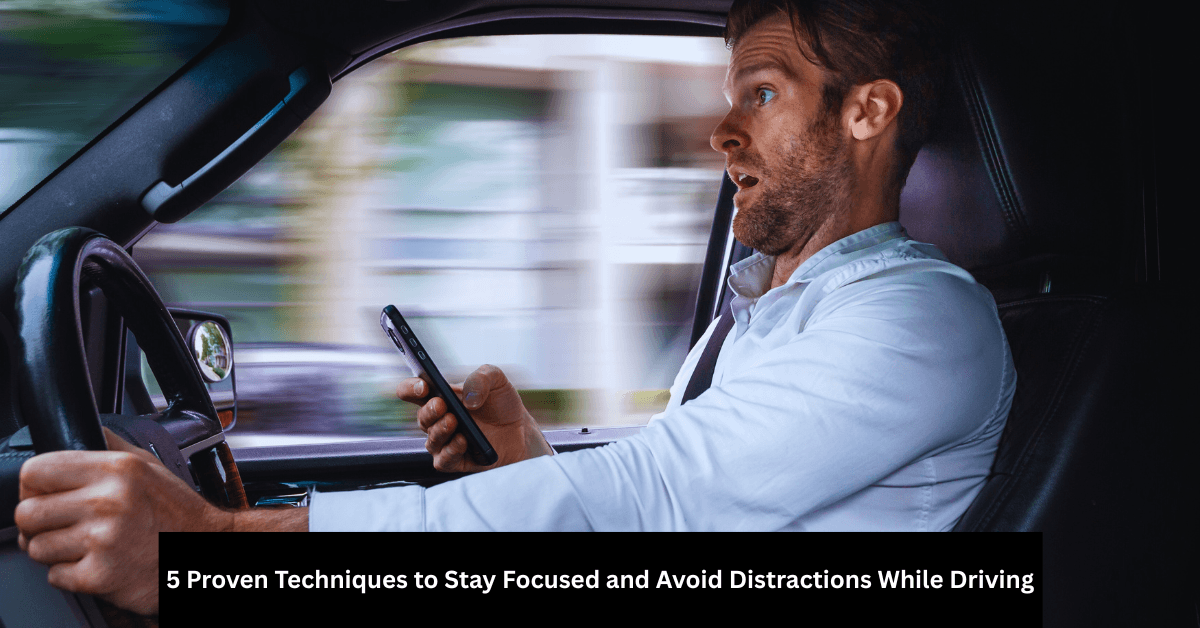
5 Proven Techniques to Stay Focused and Avoid Distractions While Driving
These techniques are backed by road safety experts, traffic data, and behavior studies showing that proactive methods can significantly reduce distraction-related crashes.
1. Use a “Focus Mode” or Do Not Disturb Feature Before Driving
One of the leading causes of distraction is texting and smartphone use. Simple smartphone settings like Do Not Disturb while driving automatically silence notifications, calls, and messages so that your focus stays on driving.
Why it works:
It removes temptations and sudden alerts that might encourage you to pick up your phone one of the most dangerous distractions on the road.
2. Pre-Plan Your Route and In-Car Settings
Before setting off, program your GPS, select your music or podcasts, and adjust climate controls. This ensures you don’t need to make adjustments while moving.
Why it works:
Taking care of all non-driving tasks before hitting the road reduces manual and visual distractions. Studies show that even short glances away can lead to severe consequences
3. Buckle Up and Keep Both Hands on the Wheel
It might seem basic, but simply keeping both hands on the wheel and wearing a seatbelt are proven safety changes that increase focus.
Why it works:
These habits reinforce a driving mindset and improve reaction time in unexpected situations.
4. Avoid Multitasking Even Hands-Free Conversations
Many drivers assume hands-free calls are safe, but research shows any cognitive distraction — including talking — reduces focus on driving. If you need to make or receive a call, park safely first.
Why it works:
It keeps your mental attention fully on the road and surroundings, reducing risk.
5. Limit Passengers and Avoid Emotional or Distracting Conversations
Having passengers, especially multiple teens, makes distraction more likely. Keep the car environment calm and stress-free to maintain concentration.
Why it works:
Fewer internal distractions mean more awareness of external road conditions.
Bonus Road Safety Tips
If you’re driving long distances or feel tired, take regular breaks. Fatigue is a silent form of distraction and can be just as dangerous as texting.
Encourage teen drivers to adopt safe driving habits early, and set clear family rules about phone usage and focus. Parental modeling of good behavior significantly influences teen driver safety and reduces risk.
Conclusion
Distracted driving especially texting while driving remains one of the most preventable causes of crashes in the United States. With over 3,000 deaths annually and countless injuries linked to distraction, adopting focused driving techniques isn’t just wise it’s life-saving.
By using Do Not Disturb features, planning ahead, avoiding multitasking, and reducing in-car interruptions, drivers of all ages can make the road safer for themselves and others.